
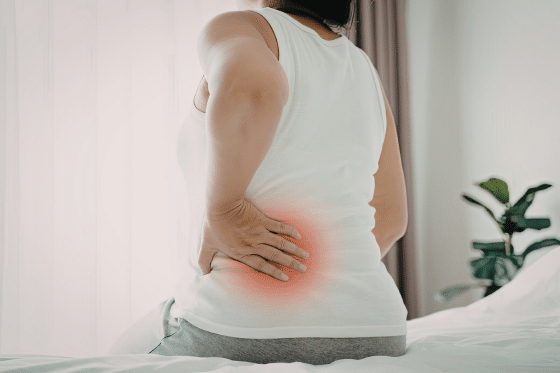
Lower back pain is one of the most common complaints I see.
It’s also one of the most misunderstood.
Most people assume something is “out of place.”
Or “degenerating.”
Or permanently damaged.
Here’s the reality:
Your lower back is strong.
It’s resilient.
It’s built to move and handle load.
When it hurts, it’s usually not because it’s fragile.
It’s because the demand you’re placing on it exceeds the capacity you’ve built.
And that’s good news — because capacity can be built.
Let’s break this down the right way.
Your Spine Is Designed for Load
The lumbar spine is made up of vertebrae, discs, ligaments, and layers of muscle.
It’s designed to:
- Bend
- Extend
- Rotate
- Absorb force
- Transfer load from the upper body to the lower body
It is not a delicate structure.
The problem isn’t movement.
The problem is unprepared movement.
If you sit all week and then try to lift heavy on the weekend, that’s a spike in demand.
If you haven’t trained your hips, core, and posterior chain, the lower back becomes the default stress absorber.
And it speaks up.
Pain Does Not Automatically Mean Damage
This is important.
Imaging studies show that many people with no back pain have disc bulges and degenerative changes.
And many people with significant pain have minimal structural findings.
Pain is influenced by:
- Load
- Stress
- Sleep
- Fatigue
- Fear
- Movement variability
Your nervous system decides when to turn up the signal.
That signal doesn’t automatically mean something is broken.
It often means the system needs to be strengthened.
The Real Issue: Capacity vs. Demand
Lower back pain almost always comes down to this:
Demand increased. Capacity didn’t.
Common examples:
- Sudden increase in gym intensity
- Long car rides
- Yard work after weeks of inactivity
- Stress and poor sleep
- New training program
Your spine can handle load — if you train it to.
If you don’t, it reacts.
That’s not weakness.
That’s biology.
Stop Avoiding Movement
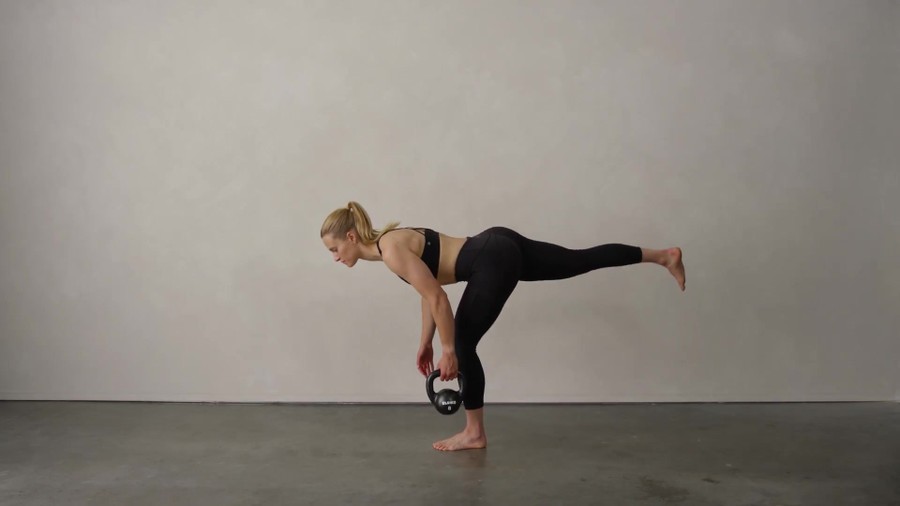
One of the biggest mistakes people make is avoiding bending.
They brace constantly.
They stop rotating.
They move stiffly.
Stiffness feels protective.
But it reduces variability — and variability is healthy.
The spine is meant to flex, extend, and rotate.
Controlled exposure to those movements builds tolerance.
Start small:
- Cat-cow
- Seated flexion
- Controlled rotation
- Hip hinges with light load
Avoiding movement makes the system more sensitive.
Gradual exposure reduces it.
The Hip-Back Connection
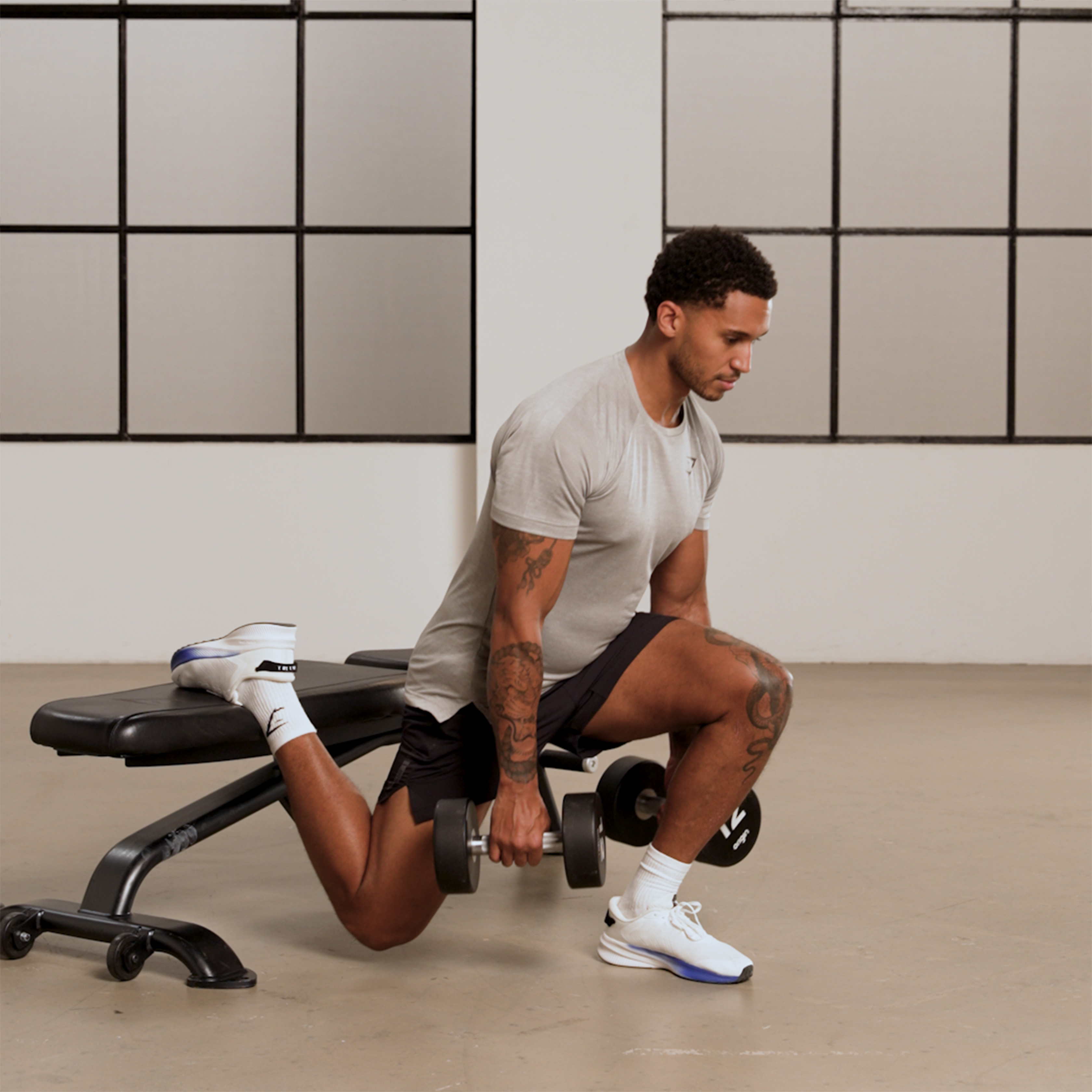
If your hips are weak or stiff, your lower back works harder.
Weak glutes = increased lumbar load.
Tight hip flexors = altered pelvic position.
Limited hip extension = compensation through the spine.
You don’t fix back pain by isolating the back.
You fix it by strengthening the system around it.
Focus on:
- Glute bridges
- Romanian deadlifts
- Split squats
- Hip mobility drills
Build the chain.
The back benefits.
Core Stability Is About Control, Not Bracing
The word “core” gets thrown around a lot.
Core stability isn’t about sucking in your stomach all day.
It’s about coordinated support between:
- Diaphragm
- Deep abdominals
- Pelvic floor
- Multifidus
Planks are useful.
But only if they’re done with control.
Add in:
- Dead bugs
- Bird dogs
- Side planks
- Anti-rotation presses
Build endurance and coordination.
Not just tension.
Strength Is the Long-Term Fix

Here’s the part most people avoid.
If your lower back hurts with daily tasks, you don’t make it weaker.
You make it stronger.
Progressive strength training improves:
- Load tolerance
- Disc hydration
- Muscle endurance
- Movement confidence
Deadlifts, when done properly, are not dangerous.
They’re therapeutic.
Squats are not harmful.
They build capacity.
Farmer carries train spinal stability under load.
Strength removes fear.
Fear amplifies pain.
Sitting Isn’t the Enemy
Sitting isn’t inherently bad.
But prolonged static positions reduce circulation and increase stiffness.
If you work at a desk:
- Stand every 30–60 minutes
- Walk briefly
- Perform 10 controlled hinges
- Rotate your spine gently
Movement variability matters more than perfect posture.
Flare-Ups: What To Do
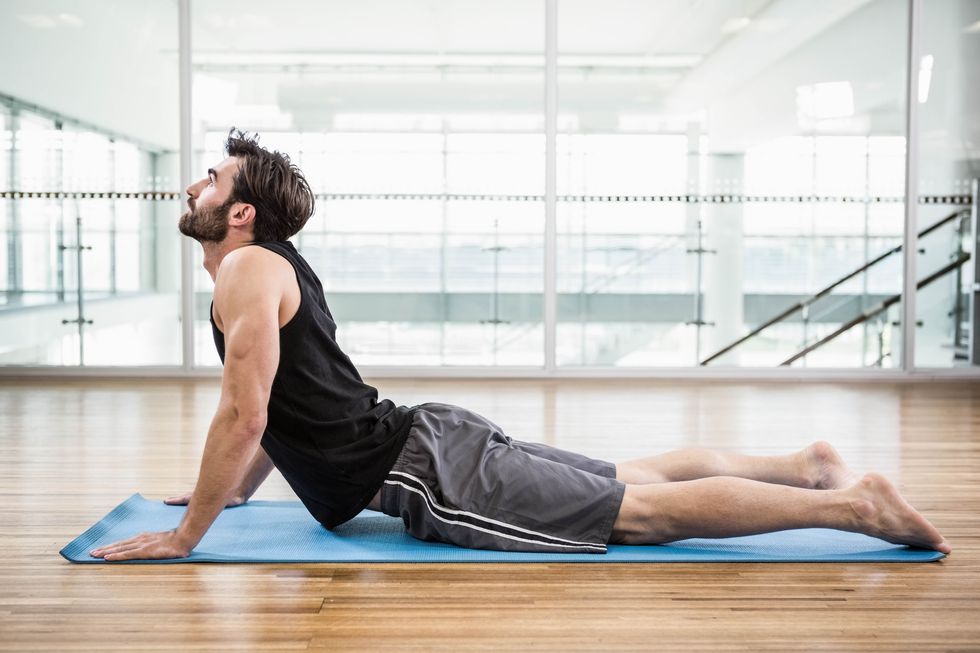
Lower back flare-ups happen.
They don’t mean you’re back at zero.
When discomfort increases:
- Reduce load temporarily.
- Maintain gentle movement.
- Avoid complete rest unless absolutely necessary.
- Resume progressive strength gradually.
Catastrophizing makes pain worse.
Calm consistency reduces it.
Common Mistakes
Let’s clear these up.
Mistake 1: Only stretching.
Mobility without strength doesn’t build resilience.
Mistake 2: Avoiding heavy lifting forever.
Avoidance reduces tolerance.
Mistake 3: Relying only on passive treatments.
Manual therapy feels good — but strength builds durability.
Mistake 4: Expecting linear progress.
Recovery has fluctuations.
Stay consistent.
What Progress Should Look Like
You should notice:
- Increased tolerance to bending
- Less morning stiffness
- Better endurance with standing
- More confidence lifting
- Reduced fear with movement
If you’re guessing whether you’re improving, you need better structure.
Progress should be measurable.
A Simple Weekly Framework
2–3 Strength Sessions
Hinge, squat, core, posterior chain.
Daily Mobility (5–10 minutes)
Flexion, extension, rotation.
3–4 Low-Impact Cardio Sessions
Walking, cycling, swimming.
Hourly Movement Breaks
Prevent stiffness accumulation.
Build rhythm.
Consistency wins.
The Bigger Perspective
Lower back pain isn’t a life sentence.
It’s a signal.
Your spine is strong.
It adapts to what you expose it to.
If you avoid load, tolerance drops.
If you build capacity gradually, resilience increases.
This isn’t about eliminating every sensation.
It’s about building a back that can handle life.
Ready to Build Capacity the Right Way?
If lower back pain has been limiting your workouts, daily tasks, or confidence, structured guidance makes the difference.
A free Discovery Visit (DV) gives you:
- A full movement assessment
- Strength and mobility analysis
- Clear progression steps
- A personalized plan
Book a free DV today and start building strength, resilience, and confidence from the ground up.
Stop chasing symptoms.
Start building capacity.
Let’s get to work.