
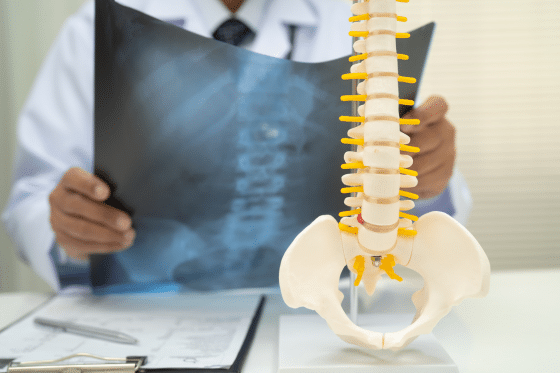
Bone health doesn’t get much attention—until something goes wrong.
Most people don’t think about it day to day. There’s no obvious warning sign. No immediate feedback. Nothing that forces awareness.
Until there is.
And when it shows up, it usually looks like this:
- Movement feels less stable
- Strength drops off
- Injuries become more likely
- Recovery takes longer
At that point, people start asking questions about bone health.
But by then, they’re playing catch-up.
This isn’t about fear. It’s about understanding what’s actually going on—and what can be done about it.
What Bone Health Actually Means
Let’s keep this simple.
Bone health is about strength, density, and structure.
Bones aren’t static. They’re living tissue. They’re constantly breaking down and rebuilding.
That process is influenced by:
- Movement
- Load
- Nutrition
- Consistency
When those things are in place, bones stay strong.
When they’re not, bone strength gradually declines.
That’s the foundation of bone health.
The Biggest Misunderstanding About Bone Health
Most people think bones weaken purely because of age.
That’s not accurate.
Age plays a role—but it’s not the deciding factor.
The real issue is what happens alongside aging:
- Less movement
- Less strength training
- Lower activity levels
- Reduced exposure to load
Bones respond to demand.
If demand drops, bones adapt by becoming less dense.
That’s not random. That’s how the body works.
And it’s a key piece of understanding bone health.
Use It or Lose It—Literally
Bones follow a very simple rule:
They adapt to what you do.
If the body is regularly exposed to load—through walking, lifting, or resistance training—bones respond by maintaining or improving strength.
If that load disappears, bones don’t just stay the same.
They decline.
That’s why inactivity is one of the biggest threats to bone health.
What Actually Weakens Bones Over Time
Let’s break this down into real-world factors.
1. Lack of Load
Bones need stress to stay strong.
That doesn’t mean extreme stress—it means regular, consistent loading.
Walking helps. Resistance training helps more.
Without that, bone density drops.
2. Low Muscle Strength
Muscles and bones work together.
When muscles contract, they pull on bones. That force stimulates bone maintenance.
Weak muscles = less stimulation.
That directly affects bone health.
3. Sedentary Lifestyle
Long periods of sitting reduce overall load on the body.
Less movement means fewer signals telling bones to stay strong.
This is one of the most overlooked contributors to declining bone health.
4. Inconsistent Activity
It’s not enough to be active occasionally.
Bones respond to consistency.
A random workout once a week doesn’t have the same effect as regular, repeated movement.
Why Bone Health Matters More Than People Think
This isn’t just about bones.
It’s about how the body functions as a whole.
Strong bones support:
- Better movement
- Greater stability
- Improved strength
- Reduced risk of setbacks
When bone health declines, everything becomes harder.
Simple tasks require more effort. Movement feels less reliable. Confidence drops.
That’s where the real impact shows up.
How Bone Health Connects to Daily Life
This is where things become practical.
Bone strength affects how the body handles:
- Walking
- Lifting
- Carrying
- Climbing stairs
- Reacting to movement
It’s not just about structure—it’s about function.
Good bone health supports everything else.
What Actually Improves Bone Health
Let’s get to the part that matters.
There’s no magic solution here.
Just a few key principles that work—if applied consistently.
1. Load the Body Regularly
This is non-negotiable.
Bones need load.
That can include:
- Walking
- Strength training
- Carrying weight
- Bodyweight exercises
The key is regular exposure.
Not extreme. Just consistent.
2. Strength Training Matters More Than Most People Think
If there’s one thing that moves the needle on bone health, it’s strength training.
Why?
Because it applies controlled stress to the body.
That stress tells bones to adapt.
No stress = no reason to maintain density.
3. Stay Consistent (Not Perfect)
This is where most people fall off.
They try to do too much, too fast.
Then they stop.
Bone health improves with consistency—not intensity.
A simple routine done regularly beats a perfect plan done occasionally.
4. Move in Different Ways
The body adapts to variety.
Different movements create different types of load.
That’s good for bone health.
Examples:
- Walking
- Squatting
- Reaching
- Rotating
Variety helps build resilience.
5. Avoid Long Periods of Inactivity
Even if structured exercise is in place, long periods of inactivity can cancel out some of the benefits.
Break up sitting.
Move throughout the day.
Small actions matter more than people think.
What Most People Get Wrong About Bone Health
Let’s clear this up.
Mistake 1: Waiting Until There’s a Problem
By the time bone health becomes a concern, changes have already happened.
Prevention is easier than trying to rebuild later.
Mistake 2: Relying Only on Low-Impact Activity
Walking is good.
But it’s not enough on its own.
Bones need varied and progressive load.
That’s where strength work comes in.
Mistake 3: Overcomplicating It
People think they need a perfect program.
They don’t.
They need:
- Consistency
- Basic movements
- Regular load
That’s it.
A Practical Approach to Better Bone Health
Here’s what this looks like in real life.
Nothing complicated.
Daily Movement
- Walk regularly
- Avoid staying still for too long
2–3 Times Per Week
- Strength-based exercises
- Bodyweight or resistance work
Throughout the Day
- Change positions
- Stay active in small ways
That’s a solid foundation for improving bone health.
What to Expect Over Time
This isn’t instant.
Bone adaptation takes time.
But with consistency, people often notice:
- Improved strength
- Better stability
- More confidence in movement
- Less fatigue during daily tasks
That’s how bone health shows up in real life.
The Bigger Picture
Bone health isn’t just about avoiding problems.
It’s about maintaining the ability to move well over time.
To stay active.
To keep doing normal, everyday things without limitation.
That’s the goal.
Bottom Line
Bone health comes down to a few key things:
- Load the body
- Build strength
- Stay consistent
- Avoid long periods of inactivity
That’s it.
No shortcuts. No quick fixes.
Just simple principles applied over time.
And when those are in place, bone health becomes something that supports movement—not something that limits it.